
New York City Guide
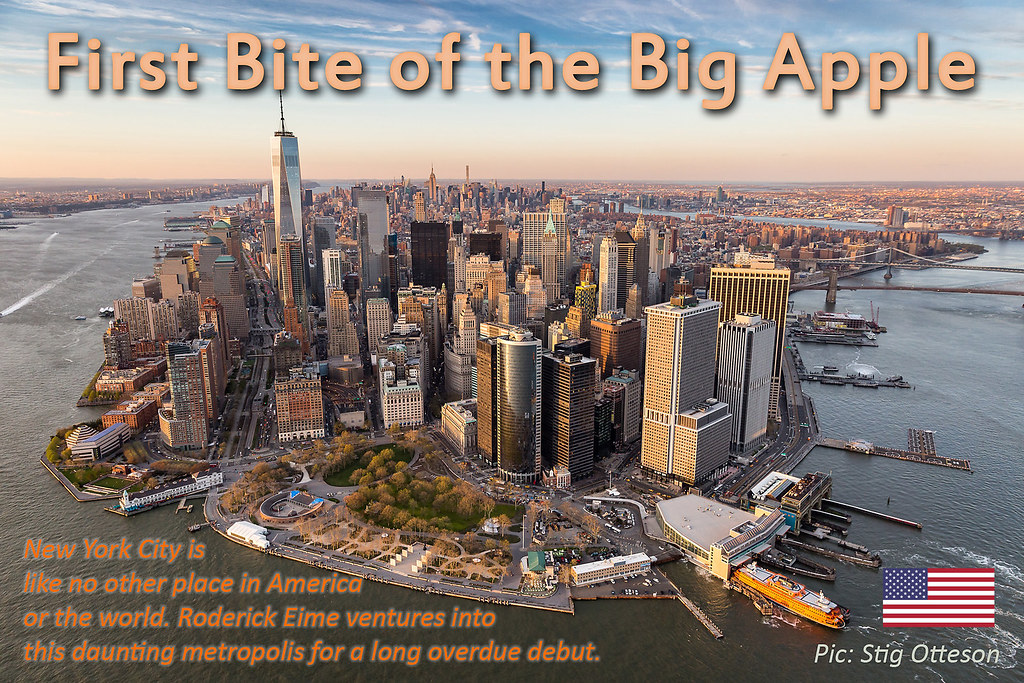
INTRO
New York; the city that Sinatra said never sleeps and Alicia Keys called a concrete jungle where dreams are made. It is a city of eight million stories stacked on top of each other, a place where a hot dog cart, a Michelin-starred tasting menu and a midnight jazz set can all happen within a ten-minute subway ride. Restless, loud, generous and endlessly curious, New York is the world’s stage and it knows it, yet it still reserves its warmest welcome for the stranger who looks up at the skyscrapers and grins.
The star power is easy to list. The Statue of Liberty lifts her torch at the harbour’s edge, the Empire State Building glows above Midtown, and the Brooklyn Bridge arcs over the East River like a cathedral made of cables. Then come the 843 acres of Central Park, the marquee lights of Broadway, the vaulted ceiling of Grand Central, a thousand-year sweep of art at the Met and a food scene that serves the planet on a plate, from Sicilian slices to Sichuan noodles to Senegalese stews. More than 60 million visitors arrive every year to see it all, and the city obliges around the clock, in neon, in brownstone amber and in the blue glow of a late-night bodega.
But the real New York lives beyond the postcards. It is in the neighbourhoods: Harlem’s gospel Sundays, the Lower East Side’s tenement stairwells, Williamsburg’s warehouse bars, Flushing’s dumpling alleys, Astoria’s Greek tavernas. Wander without a plan and the city will hand you something unforgettable within a block. Every era has remade it, and each remake has left a layer behind. One thing never changes: New York always makes you want to come back.
MUST DO & WAYS TO REVISIT
New York rewards both the checklist and the aimless stroll. Start with the icons, then leave room for the detours.
- Meet Lady Liberty. Catch a Statue City Cruises ferry from Battery Park to Liberty Island, then continue to Ellis Island, where the Immigration Museum traces the journeys of the millions who passed through its halls. Book ahead if you want pedestal or crown access, and start early to beat the queues.
- Look down on the city. The Empire State Building, Top of the Rock at Rockefeller Center, Summit One Vanderbilt and the Edge at Hudson Yards each offer a different angle. Top of the Rock gives you the Empire State in the frame, which many visitors consider the best view of all. Go around sunset and stay for the lights.
- Walk the Brooklyn Bridge. Opened in 1883, this Gothic-arched masterpiece has a pedestrian promenade above the traffic. Cross from Brooklyn to Manhattan for the skyline view, ideally early in the morning before the crowds. Reward yourself in DUMBO with the photo at Washington Street, where the Manhattan Bridge frames the Empire State Building.
- Claim a patch of Central Park. Rent a rowboat at the Loeb Boathouse, find Bethesda Terrace and its fountain, stroll the Mall under the elms and cross Bow Bridge. In summer, bring a picnic to Sheep Meadow. In autumn, the foliage alone is worth the trip.
- Stand under the stars in Grand Central Terminal. Look up at the painted celestial ceiling, then test the Whispering Gallery outside the Oyster Bar: stand in opposite corners of the arch and murmur to each other across the tile.
- Take a lap of Times Square. Yes, it is touristy. Yes, you should see it at night at least once, when the electric billboards turn midnight into noon. Then escape to the quieter blocks of Hell’s Kitchen for dinner.
- Ride the Staten Island Ferry. It is free, runs around the clock and gives you the Statue of Liberty and the lower Manhattan skyline without the ticket line. Take it at dusk.
- Pay respects at the 9/11 Memorial & Museum. The twin reflecting pools sit in the footprints of the Twin Towers, with the names of the victims inscribed around their edges. The museum is a powerful, moving visit. Allow plenty of time and keep your next stop gentle.
- Explore the Lower East Side, Chinatown and Little Italy. At the Tenement Museum on Orchard Street, guided tours step inside apartments where immigrant families lived. Then eat your way through Chinatown’s dim sum parlors and bakeries, passing Mulberry Street’s remaining Italian restaurants and cannoli counters on the way.
- Get lost in Greenwich Village. Washington Square Park, with its arch and chess hustlers, is the heart of the neighbourhood. Wander the crooked streets past Stonewall Inn, a national monument to the LGBTQ rights movement, and the brownstones of Bleecker, Perry and Commerce Streets.
- Walk the High Line. This elevated rail line-turned-garden promenade runs from the Meatpacking District to Hudson Yards, weaving past public art, hidden benches, and river views. Finish at Little Island, a floating park on the Hudson.
- Feel the spirit of Harlem. Hear gospel on a Sunday morning (be respectful, as these are real services), catch Amateur Night at the Apollo Theater and eat soul food at Sylvia’s. Spend an afternoon at the Studio Museum or the Schomburg Center for Research in Black Culture.
- Cross the river. Brooklyn alone deserves days: the waterfront parks of Brooklyn Bridge Park, the brownstone lanes of Park Slope, the creative energy of Williamsburg and Bushwick. In Queens, eat in Flushing and Jackson Heights, and see the sculptures at the Noguchi Museum. In the Bronx, visit the New York Botanical Garden and Arthur Avenue’s Italian markets.
- Ride the boardwalk at Coney Island. The Cyclone roller coaster has been rattling since 1927, and a Nathan’s hot dog on the boardwalk tastes better with an ocean breeze.
- See a show. A Broadway musical remains the ultimate New York night out. Save money with same-day tickets from the TKTS booth in Duffy Square, lottery and rush options, or discount apps.
SLEEP
New York’s hotels range from grand dames with doormen in white gloves to pod-sized rooms that treat sleep as a luxury item. The key is choosing your neighborhood. Midtown puts you in the center of Broadway, Rockefeller Center and Fifth Avenue. Lower Manhattan suits history lovers and those chasing quieter nights. Brooklyn and Queens offer better value and neighborhood flavor, with a quick subway commute into the city.
- The Plaza at Fifth Avenue and Central Park South is a French Renaissance landmark that has hosted presidents, rock stars and Eloise, the storybook girl who lived on its top floor. Take afternoon tea in the Palm Court and you will feel like royalty.
- The St. Regis New York on East 55th is Gilded Age elegance with a butler on every floor. Its King Cole Bar is home to the Red Snapper, a famous Bloody Mary variation, and a Maxfield Parrish mural.
- The Carlyle on the Upper East Side is a classic of old-world discretion, home to Bemelmans Bar, Café Carlyle and a roster of regulars who like their privacy.
- Hotel Chelsea on West 23rd Street has a literary and musical pedigree to match any building in town: Dylan Thomas, Patti Smith, Leonard Cohen and Arthur Miller all passed through. After a long renovation, it reopened with its bohemian soul intact.
- The Greenwich Hotel in Tribeca is a quiet, beautifully appointed retreat with a Japanese-inspired bathhouse and a candlelit courtyard. It is co-owned by Robert De Niro, which helps explain the film-world following.
- The Algonquin Hotel on West 44th is where Dorothy Parker and the Round Table wits traded barbs in the 1920s. A recent renovation has kept the literary spirit and added fresh polish.
- The Bowery Hotel in the East Village feels like a hip, old-fashioned private club, with a lobby of velvet sofas and a courtyard garden for brunch.
- Wythe Hotel in Williamsburg, set in a converted factory, comes with skyline views from the rooftop bar and some of the best neighborhood dining on the block.
- The Jane in the West Village started life as a sailors’ hostel and now offers tiny, stylish cabin-sized rooms at modest prices. Ideal for travelers who care more about the neighborhood than the square footage.
- Pod and citizenM properties around Midtown and the Lower East Side deliver compact, design-savvy rooms at a fraction of the price of the big names, which is a smart way to spend your money on dinner instead.
EAT
New York is a global dining capital with an astonishing range of price points. You can spend months’s rent on a tasting menu or less than ten dollars and eat like a king. Both are valid, and both are part of the New York experience. Reservations are essential at the hot spots, so book well in advance through the restaurant’s own site or the usual apps.
- Breakfast and bagels. A New York bagel, boiled then baked, is the city’s gift to breakfast. Go to Russ & Daughters on the Lower East Side for the classic lox, cream cheese and onion on a bagel, a family-run institution for more than a century. For a more casual option, try Ess-a-Bagel or Absolute Bagels. For pancakes, queue at Clinton Street Baking Company on the Lower East Side. Coffee fans can get their fix at Joe Coffee, Blue Bottle and Devoción, and Caffe Reggio in Greenwich Village has been steaming cappuccinos since 1927.
- Deli royalty. Katz’s Delicatessen on East Houston Street has been slicing pastrami since 1888 and is famous as the setting of the “I’ll have what she’s having” scene in When Harry Met Sally. Expect a line, a paper ticket you must not lose, and a sandwich that is a two-handed job.
- Pizza. The slice is a civic institution. Joe’s Pizza on Carmine Street is the classic quick fix, folded in half and eaten on foot. Lombardi’s in Nolita claims to be America’s first pizzeria. Grimaldi’s, under the Brooklyn Bridge, has coal-oven pies with skyline views, and Di Fara in Midwood, Brooklyn, has devotees who travel the length of the city.
- Street food and cheap eats. The Halal Guys cart at 53rd and Sixth Avenue has an enduring cult following, chicken over rice with white sauce. Hot dogs from a street cart, a falafel from a food truck, and dumplings from Chinatown holes-in-the-wall all hit the spot. Xi’an Famous Foods does fiery hand-pulled noodles, and Los Tacos No. 1 in Chelsea Market is a taco stand worth the wait.
- Neighborhood heroes. Gramercy Tavern is the benchmark for warm, seasonal American cooking. Balthazar in SoHo is a Parisian brasserie in New York dress, with a buzz from breakfast to midnight. Via Carota in the West Village serves rustic Italian that locals line up for, and Carbone in Greenwich Village is a theatrical, red-sauce fantasy.
- Fine dining. New York’s tasting-menu temples are among the finest in the world. Le Bernardin is the definitive seafood restaurant, Eleven Madison Park is a spectacle in an Art Deco room, and Daniel is classic French in full ceremonial dress. Treat yourself to one of the city’s Michelin-starred rooms and book as far ahead as you can.
- World on a plate. The five boroughs are a culinary map of the globe. Head to Flushing, Queens, for Chinese regional cooking, to Jackson Heights for Indian, Nepali and Colombian, to Astoria for Greek and Egyptian, and to Brighton Beach for Russian and Uzbek. The Dominican spots of Washington Heights, the West African restaurants of Harlem and the Caribbean bakeries of Crown Heights are all worth a detour.
- Steak and classics. Peter Luger Steak House in Williamsburg has been serving porterhouse since 1887 and is a rite of passage. Keens Steakhouse in Midtown has a ceiling covered with thousands of clay pipes and a legendary mutton chop.
- Dessert. Levain Bakery’s giant, gooey cookies are a Manhattan icon. Black-and-white cookies, cheesecake from Junior’s, rainbow cookies and cannoli from Little Italy bakeries, and a soft-serve cone from a Mister Softee truck round out the sweet tooth tour.
- Food markets. Chelsea Market is a one-stop foodie warren in a former Oreo factory, and Smorgasburg in Brooklyn is the weekend open-air feast of the borough. The Essex Market on the Lower East Side mixes old-school vendors with newcomers, and Arthur Avenue’s Retail Market in the Bronx is a time capsule of Italian-American life.
DRINK
The New York bar scene runs from sawdust-floored taverns that predate the Civil War to hidden speakeasies and glittering rooftops. Last call is 4 a.m., so pace yourself.
- Old-school landmarks. McSorley’s Old Ale House in the East Village has been pouring since 1854 and still serves only two kinds of beer, light and dark, usually in pairs. Pete’s Tavern in Gramercy claims to be the city’s oldest continuously operating bar. The White Horse Tavern in the West Village is where Dylan Thomas was said to have had his final drinks.
- Cocktail temples. Bemelmans Bar at the Carlyle has murals by the creator of Madeline and a pianist at the keys, a cocktail lounge as handsome as any in the world. Employees Only in the West Village is a dark, lively hideaway, and Death & Co in the East Village helped revive the craft cocktail renaissance. On the Lower East Side, Attaboy carries on the tradition of the speakeasy with no menu and a conversation with the bartender.
- Speakeasies and hidden gems. New York loves a secret door. Several bars hide behind a phone booth, a bookcase or an unmarked door on a quiet street. Part of the fun is finding them, so do some research and ask the locals.
- Dive bars. The Subway Inn on the Upper East Side and Welcome to the Johnsons on the Lower East Side are for those who like a cheap beer and a jukebox. Wear your comfortable shoes.
- Irish pubs. The Dead Rabbit in the Financial District is famed for its Irish whiskey list and its award-winning cocktails, and there is no shortage of pubs with live music and Guinness around Midtown.
- Rooftops with a view. A rooftop drink with the skyline spread out before you is a New York ritual. Try 230 Fifth, which looks straight at the Empire State Building, or Westlight at the William Vale in Williamsburg for a sweeping view back over Manhattan. Book ahead on weekends and dress sharply.
- Jazz and music. The Village Vanguard, in a basement on Seventh Avenue South since 1935, is hallowed ground. Blue Note, Birdland and Smalls offer a nightly roster of players from the great to the emerging. Joe’s Pub at the Public Theater is an intimate room for cabaret and singer-songwriters.
- Sing along. Marie’s Crisis in the West Village is a piano bar where the crowd sings show tunes at full volume. You do not need to know the words, just the courage.
- Wine and craft beer. Brooklyn Brewery in Williamsburg offers tours and tastings, and wine bars from Greenwich Village to Bed-Stuy have turned natural wine into a neighborhood religion. Maison Premiere in Williamsburg is known for its oysters and absinthe, and Dante in Greenwich Village has a reputation for Negronis.
- Hotel bars. The King Cole Bar at the St. Regis and the Oak Bar at the Plaza are classics to slip into for a martini and a bit of grandeur.
SHOP
New York shopping is theater in its own right, from the windows of Fifth Avenue at Christmas to the bargain bins of the Garment District. Whatever you want, from a Chanel jacket to a vintage record, it is here.

- Fifth Avenue. The grand strip runs from the Plaza at 59th Street down to the 40s, and it is a roll call of luxury names. Saks Fifth Avenue and Bergdorf Goodman anchor the department stores, Tiffany & Co. has its flagship at the Landmark, and the Apple Store’s glass cube is as much an attraction as a shop. Rockefeller Center’s FAO Schwarz is a toy store that is a kid’s dream, and the piano from Big is still on the floor.
- SoHo. Prince, Spring and Greene Streets are lined with high-fashion boutiques and flagships in cast-iron buildings. Cobblestones and fire escapes complete the picture. Nolita and the Lower East Side next door are home to smaller labels and independent designers.
- Department stores. Macy’s Herald Square is a legend, with its wooden escalators and Thanksgiving parade fame. Bloomingdale’s flagship on Lexington Avenue is a New York fashion institution, and its little brown bag is an icon.
- Madison Avenue. The Upper East Side stretch is where the quiet, refined luxury shops live, from European fashion houses to gallery-adjacent antique dealers.
- Bookstores. New York is a reader’s city. The Strand, at Broadway and 12th Street, boasts 18 miles of books and is a perfect place to lose an afternoon. McNally Jackson in Nolita has a smart selection and a café, and Housing Works Bookstore Cafe supports a good cause. In Brooklyn, Books Are Magic is the borough’s beloved indie, and The Argosy on East 59th is a trove of rare maps, prints and first editions.
- Vintage and thrift. Beacon’s Closet in Brooklyn is the place to hunt for secondhand finds. The East Village and Williamsburg are thick with vintage shops selling everything from leather jackets to 1970s dresses.
- Markets and flea fairs. Artists & Fleas in Williamsburg is a showcase for local makers, and the Union Square Greenmarket is the best place for produce, bread and flowers. During the holiday season, markets at Bryant Park, Union Square and Columbus Circle fill with gifts and mulled wine.
- Tech and gadgets. B&H Photo on Ninth Avenue is a mecca for cameras and electronics, famous for its conveyor-belt system that whisks purchases around the store.
- Outlets. For a bargain hunt, Woodbury Common Premium Outlets in the Hudson Valley, about an hour north of the city, has hundreds of designer outlets. Coach buses leave from Port Authority, and it is worth a day for serious shoppers.
- Chelsea and Hudson Yards. Chelsea Market, with its artisan food stalls and boutiques, and the Shops & Restaurants at Hudson Yards offer more contemporary retail with sleek architecture.
ARTS
New York is a global capital of art, theater and music. Whether it is a Vermeer at the Met or a play in a basement, it is a city that lives and breathes the arts.
- Museum Mile. The Metropolitan Museum of Art on Fifth Avenue holds more than two million works spanning five thousand years, from the Temple of Dendur to Impressionist masterpieces. Plan to see only a slice of it. Nearby, the Guggenheim’s spiral rotunda by Frank Lloyd Wright is a work of art itself, and the Neue Galerie specializes in German and Austrian masterpieces.
- Modern and contemporary. The Museum of Modern Art (MoMA) in Midtown has Van Gogh’s The Starry Night and Warhol’s soup cans. The Whitney Museum of American Art at the foot of the High Line has views as good as the art, and MoMA PS1 in Long Island City is edgier and more experimental. The New Museum on the Bowery is a champion of emerging artists.
- The Frick Collection. Back in its original Gilded Age mansion on East 70th Street, the Frick has Vermeers, Rembrandts and Goyas in an intimate setting.
- The Cloisters. A medieval monastery in upper Manhattan’s Fort Tryon Park, housing the Met’s medieval art collection, including the Unicorn Tapestries, with views over the Hudson.
- Natural wonders. The American Museum of Natural History, with its dinosaurs, great blue whale and Hayden Planetarium, is a favorite for families and the curious.
- Galleries. The blocks of West Chelsea, between 10th and 11th Avenues in the 20s, are home to the city’s top contemporary galleries, most of which are free to enter. Check gallery listings for Thursday openings and weekend crawls.
- Street art. Brooklyn’s Bushwick Collective is an open-air gallery of murals that changes constantly. Welling Court in Astoria, and the walls of the Lower East Side, offer more street-level inspiration.
- Broadway and beyond. The Theater District holds around forty theaters, from the grand Gershwin to the intimate Belasco. Off-Broadway, the Public Theater, Playwrights Horizons and Signature Theatre bring innovative new work at lower prices. In summer, Shakespeare in the Park at the Delacorte Theater in Central Park is free (though competitive to get into).
- Opera, ballet and classical. Lincoln Center is home to the Metropolitan Opera, New York City Ballet, and the New York Philharmonic, at the renovated David Geffen Hall. Carnegie Hall is one of the world’s great concert halls, and Radio City Music Hall’s Christmas Spectacular with the Rockettes is a holiday tradition.
- Comedy. The Comedy Cellar on MacDougal Street has hosted nearly every major name in stand-up, and unannounced drop-ins by famous comics are common. The Upright Citizens Brigade and Gotham Comedy Club are great for improv and sketch. For a TV experience, enter the lottery for tickets to Saturday Night Live.
- Family fun. The Children’s Museum of Manhattan, the Intrepid Sea, Air & Space Museum, the Central Park Zoo and the Bronx Zoo keep little ones busy. The Museum of Natural History’s dinosaur halls are always a hit.
- Passes. If you plan to visit several attractions, compare the New York CityPASS and similar sightseeing passes against your own list. They save money only if you use them.
ACTIVE
New York is one of the best walking cities in the world, and its parks, rivers and bridges invite you to move. The city is flat in most places, the pavements are plentiful, and a day on your feet is the best way to see it.

- WALK. Cover the city on foot. Start with a sunrise walk over the Brooklyn Bridge. Stroll the High Line from Gansevoort Street to Hudson Yards. Wander the Lower East Side, then the Village, then the Flatiron District. Walk the length of Central Park from south to north, passing Bethesda Terrace, the Ramble and the Great Lawn. Guided walking tours of neighborhoods, street art and food are plentiful if you want a local expert.
- RUN. Central Park’s 6.1-mile loop is a runner’s rite of passage, and the Jacqueline Kennedy Onassis Reservoir track is a 1.58-mile favorite with skyline views. The Hudson River Greenway offers a flat, waterfront alternative, as do the East River Esplanade and Brooklyn Bridge Park. If you are visiting in early November, the New York City Marathon turns the five boroughs into a running festival.
- CYCLE. Citi Bike docks are everywhere, making it easy to grab a bike for the day. The Manhattan Waterfront Greenway loops the island for about 32 miles of mostly car-free riding. Prospect Park in Brooklyn has a great loop, and the car-free days on Governors Island give you a quiet escape with skyline views. Always use bike lanes and follow traffic signals.
- PADDLE. In summer, the Downtown Boathouse offers free kayaking on the Hudson at Pier 26, and Brooklyn Bridge Park has launch points as well.
- ESCAPE. Take the ferry to Governors Island for picnics, hammocks and art installations. Head out to Rockaway Beach for surf lessons, or to Coney Island for sand and carnival rides. Inwood Hill Park at Manhattan’s northern tip has the island’s last natural forest.
- SKATE. In winter, glide across the ice at Wollman Rink in Central Park, the Rink at Rockefeller Center under the golden Prometheus statue, or the free-to-enter Bryant Park Winter Village.
- CHEER. Catch the Yankees in the Bronx or the Mets at Citi Field in Queens, the Knicks and Rangers at Madison Square Garden, or the Nets and Liberty at Barclays Center. Tennis fans can head to the US Open at Flushing Meadows in late summer.
DIARY
There is always a parade, festival or fireworks display on in New York. The calendar below is a rough guide, so check the dates for the year you are visiting.
- Lunar New Year (late January to February). Dragons, firecrackers and lion dances take over Chinatown and Flushing. The Lunar New Year Parade is a kaleidoscope of color.
- Restaurant Week (January and July). Participating restaurants offer prix-fixe menus, a good way to try high-end dining at a lower cost.
- New York Fashion Week (February and September). Runways, front rows and street-style spotting around Lincoln Center, Spring Studios and beyond.
- St. Patrick’s Day Parade (March 17). A sea of green marches up Fifth Avenue in one of the world’s largest St. Patrick’s Day parades.
- Easter Parade and Bonnet Festival (Easter Sunday). A joyful, hat-wearing stroll along Fifth Avenue.
- Tribeca Festival (June). Founded after 9/11 by Robert De Niro and Jane Rosenthal to revive lower Manhattan, it has grown into a major film and cultural event.
- NYC Pride March (late June). One of the largest and most celebratory Pride events in the world, marching from Midtown down to Greenwich Village.
- SummerStage (June to August). Free concerts, dance and spoken-word events in Central Park and parks across the city.
- Fourth of July. Macy’s Fourth of July Fireworks light up the Hudson or East River, and the crowds line the waterfront for a good vantage.
- Summer Streets (August Saturdays). Park Avenue and neighboring streets close to cars for walking, biking and play.
- US Open Tennis (late August to early September). Two weeks of world-class tennis in Flushing, Queens.
- West Indian American Day Carnival (Labor Day). A vibrant parade of costumes, steel drums and soca down Eastern Parkway in Brooklyn.
- New York Film Festival (late September to October). Premieres and retrospectives at Lincoln Center, among the most respected festivals in the world.
- Village Halloween Parade (October 31). Part theater, part street party, this is the country’s largest Halloween parade and open to costumed participants.
- New York City Marathon (first Sunday of November). More than 50,000 runners cross five boroughs, cheered on by roaring crowds.
- Macy’s Thanksgiving Day Parade (Thanksgiving morning). Giant balloons and marching bands wind their way down Central Park West and Sixth Avenue, a tradition since 1924.
- Rockefeller Center Christmas Tree Lighting (late November or early December). The tree is lit amid music and crowds. It stays up through the holiday season.
- New Year’s Eve in Times Square. The famous Ball Drop at midnight. Be prepared to arrive early, stay in place and bring warm layers.
TALES
New York is the most written-about and filmed city on the planet. Whether on the page or the screen, it has been a character in some of the best stories ever told.
READ:
- Here Is New York by E.B. White is a short, luminous love letter to the city, written in 1949 and still true.
- The Great Gatsby by F. Scott Fitzgerald captures the glitter and heartbreak of the Jazz Age in Manhattan and Long Island.
- Breakfast at Tiffany’s by Truman Capote follows the unforgettable Holly Golightly through the city of the 1940s.
- Just Kids by Patti Smith is a memoir of her friendship with Robert Mapplethorpe and the New York art world of the 1960s and 70s, with the Chelsea Hotel at its center.
- The Age of Innocence by Edith Wharton is a portrait of Gilded Age high society and its rules.
- A Tree Grows in Brooklyn by Betty Smith is the coming-of-age classic of a girl growing up in the borough’s tenements.
- Invisible Man by Ralph Ellison is a landmark novel of race and identity, with Harlem at its heart.
- The Catcher in the Rye by J.D. Salinger follows Holden Caulfield on a lost weekend through Manhattan.
- The Power Broker by Robert Caro is the epic biography of Robert Moses, the man who reshaped the city’s roads, parks and bridges.
- The Amazing Adventures of Kavalier & Clay by Michael Chabon is a love story about two cousins and the golden age of comic books.
- Open City by Teju Cole follows a young Nigerian-German psychiatrist as he wanders the city, observing its layers of memory.
- Gotham: A History of New York City to 1898 by Edwin G. Burrows and Mike Wallace is the definitive, Pulitzer-winning history.
- For planning, Time Out New York, Eater NY and The Infatuation are reliable guides to where to eat, drink and play right now.
WATCH:
- Breakfast at Tiffany’s: Audrey Hepburn in a black dress, staring into the window of Tiffany & Co. at dawn, is one of cinema’s most iconic images.
- Annie Hall and Manhattan: Woody Allen’s neurotic, romantic love letters to the city, with a black-and-white sweep of the Queensboro Bridge at dawn.
- When Harry Met Sally: Autumn in Central Park, Katz’s Deli, and a bet about whether men and women can be friends.
- Taxi Driver: Martin Scorsese’s gritty, fever-dream portrait of 1970s New York.
- Do the Right Thing: Spike Lee’s blistering portrait of a Brooklyn block on the hottest day of the summer.
- West Side Story: Jets versus Sharks, set on the streets that would become Lincoln Center.
- Saturday Night Fever: Tony Manero struts down a Brooklyn street, and disco is born.
- Ghostbusters: The New York Public Library on Fifth Avenue and the Hook & Ladder 8 firehouse in Tribeca are the stars of this supernatural comedy.
- Sleepless in Seattle: The final scene atop the Empire State Building is a romantic touchstone.
- Home Alone 2: Lost in New York: Kevin McCallister at the Plaza and Rockefeller Center at Christmas.
- Big: Tom Hanks dances on the giant piano at FAO Schwarz.
- Crocodile Dundee: The outback legend takes on Manhattan, a favorite for Aussie visitors.
- The Godfather and Goodfellas: The crime epics that define the city’s gangster mythology.
- Seinfeld, Friends, Sex and the City and Gossip Girl: Television that turned Manhattan’s coffee shops, apartments and the steps of the Met into pop culture legends.
- The skyline and bridges also star in King Kong, Midnight Cowboy, Moonstruck, The Devil Wears Prada, Elf, Coming to America, The French Connection and nearly every Spider-Man film.
24 HOURS
If you have just one day in the city that never sleeps, don’t waste it. Wear comfortable shoes, buy a MetroCard or tap your phone at the subway turnstile, and get moving.
- 8am: Start with the New York classic. Queue for a bagel with lox at Russ & Daughters on the Lower East Side, and carry your coffee as you walk.
- 9.30am: Take the subway to City Hall and walk across the Brooklyn Bridge. Stop often to look back at the skyline and the harbor.
- 11am: Wander DUMBO’s cobblestone streets and snap the famous view at Washington Street. Pop into Brooklyn Bridge Park, then hop on a NYC Ferry back to Lower Manhattan from DUMBO.
- 12.30pm: Visit the 9/11 Memorial. Spend a quiet moment at the reflecting pools, which are open to the public.
- 1.30pm: Grab a quick lunch near Wall Street or Fulton Street, then walk down to Battery Park and board the Staten Island Ferry for the best free view of the Statue of Liberty. Turn around and come right back.
- 3pm: Take the subway uptown to Chelsea, and walk the High Line northward from Gansevoort Street. Duck into Chelsea Market for a snack, perhaps tacos from Los Tacos No. 1.
- 4.30pm: Continue the High Line to Hudson Yards and head up the Edge, or take a cab to Rockefeller Center and go up Top of the Rock, timing your visit for sunset. Book tickets in advance.
- 6.30pm: Stroll through Times Square as the lights come alive, taking in the energy. For an easy dinner, walk to Ninth Avenue in Hell’s Kitchen, where dozens of restaurants serve pre-theater menus.
- 8pm: Curtain up. Catch a Broadway show and let the orchestra and the stage lights carry you away.
- 10.45pm: After the curtain call, grab a drink or a late supper at Joe Allen on Restaurant Row, a longtime theater-crowd hangout with posters of Broadway flops on the walls.
- Midnight: Take the subway downtown to Greenwich Village and catch a late set at a jazz club such as Smalls, Blue Note or the Village Vanguard. Or sing your heart out with the crowd at Marie’s Crisis.
- 1am: Grab a New York slice at Joe’s Pizza on Carmine Street, eaten hot and folded on the sidewalk, the only correct way.
- 2am: The night is still young somewhere. Warm up with a plate of pierogi at the East Village diner Veselka, or walk Bleecker Street in the quiet hours when the city holds its breath.
- 3am: Hail a yellow cab or take a rideshare back to your hotel. As the first delivery trucks rumble by and the sky starts to lighten, you’ll understand why they call it the city that never sleeps. And you’ll already be planning your return.



You must be logged in to post a comment Login