
Budapest: A Slow-Burning Love Affair on the Danube
Budapest doesn’t shout for your attention. It doesn’t flash neon promises or hustle you with headline attractions. Instead, it draws you in slowly, like a conversation that deepens with every hour. One minute you’re admiring a grand building; the next, you’re sitting in a steamy bathhouse at dusk, wondering why more cities don’t feel this alive and lived-in.
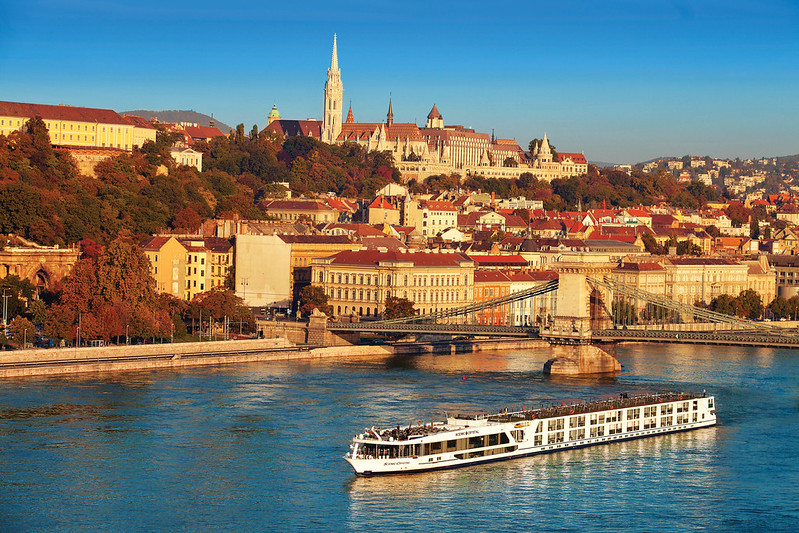
Straddling the Danube, Hungary’s capital is equal parts elegant and scruffy, historic and irreverent. It’s a place where imperial grandeur rubs shoulders with graffiti, and where a night out might end with a plate of goulash at 2am or a sunrise walk across a bridge that’s seen empires rise and fall.
This is Budapest, unhurried and unforgettable.
First Impressions: Where East Meets West
Your first moments in Budapest often feel slightly disorienting. Is this Central Europe or Eastern Europe? Is it old-world or edgy? The answer is yes, and that’s exactly the point.
Neo-Gothic spires loom over the river, Soviet-era blocks linger in the background, and cafés buzz with students tapping away on laptops. Budapest wears its history openly, but it refuses to be trapped by it. The city feels confident, comfortable in its contradictions.
Understanding Budapest: Buda vs Pest
Budapest is really two cities stitched together by bridges.
Buda
Hilly, leafy, and quietly refined, Buda is where history settles into stone walls and panoramic views. It’s slower, more residential, and perfect for wandering without a plan.
Pest
Flat, energetic, and relentlessly alive, Pest is where most of the action happens. This is where you’ll find nightlife, shopping, grand boulevards, and the city’s café culture humming along from morning to night.
Crossing between the two is effortless, and each bridge feels like a transition between moods.
Getting Around the City
Budapest is refreshingly easy to navigate. Trams rattle along the Danube, metros run like clockwork, and walking is often the best option of all. A 24- or 72-hour transport pass is excellent value and saves you from fumbling with tickets.
And yes, walking across the Chain Bridge at night should be considered mandatory.
Castle Hill: Budapest’s Storybook Skyline
Castle Hill is where Budapest leans fully into romance. Cobbled streets wind past pastel houses, leading to views that stop you mid-step.
Buda Castle itself is less about what’s inside and more about where you are. The real show is outside: terraces overlooking the Danube, church bells drifting through the air, and the sense that you’ve stepped into a slower century.
Nearby, Fisherman’s Bastion looks like something dreamed up for a fantasy novel. It’s theatrical, slightly over-the-top, and completely unapologetic about it. Go early in the morning to avoid crowds and catch the city stretching awake below you.
The Parliament and the Danube Promenade
If Budapest has a signature image, it’s the Parliament building reflected in the Danube. Enormous, ornate, and almost impossibly detailed, it’s one of Europe’s most striking government buildings.
Walking the riverfront is one of the city’s simple pleasures. South of Parliament, the Shoes on the Danube memorial quietly honors victims of World War II. It’s understated, powerful, and impossible to forget.
At sunset, the river glows, and the city feels momentarily suspended between past and present.
Thermal Baths: The City That Soaks
Budapest isn’t just built on history; it’s built on hot water.
Thermal baths are woven into daily life here, not treated as tourist novelties. From grand neo-baroque complexes to more local, no-frills options, soaking is practically a civic duty.
Visiting a bath is less about ticking a box and more about slowing down. You’ll see chess games played waist-deep in steaming pools and locals who’ve been coming here for decades. It’s social, restorative, and uniquely Budapest.
Ruin Bars and Nightlife
Budapest after dark reveals a different personality altogether.
Ruin bars, set in crumbling courtyards and abandoned buildings, are chaotic in the best possible way. Mismatched furniture, fairy lights, and art installations create spaces that feel improvised yet intentional.
Szimpla Kert is the most famous, but the joy is in wandering and discovering smaller spots where locals gather. Budapest’s nightlife isn’t polished; it’s playful, creative, and a little rough around the edges.
Food You Shouldn’t Miss
Hungarian food is hearty, comforting, and surprisingly nuanced.
Goulash here is not the thick stew you might expect but a rich soup, best eaten slowly. Lángos, deep-fried dough topped with sour cream and cheese, is street food at its most indulgent. Duck, paprika-spiced dishes, and seasonal vegetables appear frequently on menus.
Don’t skip dessert. Chimney cake, rolled in sugar and roasted over open flames, is as addictive as it smells.
Markets, Cafés and Coffeehouse Culture
Budapest’s café culture dates back centuries, when writers and artists treated coffeehouses as second homes. That tradition lives on.
Historic cafés still serve elegant cakes under chandeliers, while modern espresso bars cater to a younger crowd. The Great Market Hall, meanwhile, is part spectacle, part pantry. Wander through, sample local produce, and resist the urge to buy everything.
Museums and Memory
Budapest doesn’t shy away from its difficult past. Museums here often confront history head-on, exploring fascism, communism, and national identity with honesty and depth.
Even if you’re not a museum enthusiast, visiting one or two adds essential context. The city’s beauty feels deeper when you understand what it has endured.
Green Escapes Within the City
For a city of its size, Budapest has plenty of breathing room. Margaret Island floats in the middle of the Danube like a green pause button. Locals jog, picnic, and unwind here, especially in warmer months.
City parks and riverbanks offer similar relief, reminding you that Budapest knows when to slow its own pulse.
Day Trips Beyond Budapest
If time allows, venture beyond the city. Nearby towns and countryside offer wine regions, historic villages, and a glimpse of rural Hungary. These trips add contrast and make returning to the city feel like coming home.
What to Avoid: Tourist Traps and Common Mistakes
Budapest is generally good value, but a few pitfalls exist.
Avoid restaurants with aggressive street hawkers or menus plastered with photos. Skip currency exchange booths with suspiciously good rates. And don’t rush. Budapest punishes impatience and rewards lingering.
Practical Tips for First-Time Visitors
- Cash is still useful, though cards are widely accepted
- Sundays are quieter; plan shopping accordingly
- Learn a few basic Hungarian phrases—it’s appreciated
- Dress comfortably; the city is best explored on foot
Why Budapest Lingers Long After You Leave
Budapest doesn’t overwhelm you with a single moment. Instead, it layers experiences: a view here, a conversation there, a late-night walk that feels oddly cinematic. Long after you’ve gone, it returns in fragments, like a song you didn’t realize you’d memorized.
That’s the magic. Budapest doesn’t ask to be loved instantly. It earns it.
Conclusion
Budapest is a city that reveals itself slowly and rewards curiosity. It’s grand without being stiff, lively without being exhausting, and historic without feeling frozen in time. Whether you’re soaking in thermal waters, crossing a bridge at dawn, or sharing a drink in a ruined courtyard, Budapest meets you halfway and invites you to stay a little longer than planned.
FAQs
1. How many days do I need in Budapest?
Three to four days is ideal for major sights, with extra time if you enjoy slow travel.
2. Is Budapest expensive?
Compared to many European capitals, it offers excellent value, especially for food and transport.
3. When is the best time to visit?
Spring and autumn are ideal, with mild weather and fewer crowds.
4. Is Budapest safe for travellers?
Yes, it’s generally very safe, though basic city awareness applies.
5. Do I need to speak Hungarian?
No, English is widely spoken, but learning a few words goes a long way.



You must be logged in to post a comment Login